 The Market Monitor Minding the Nation's Business
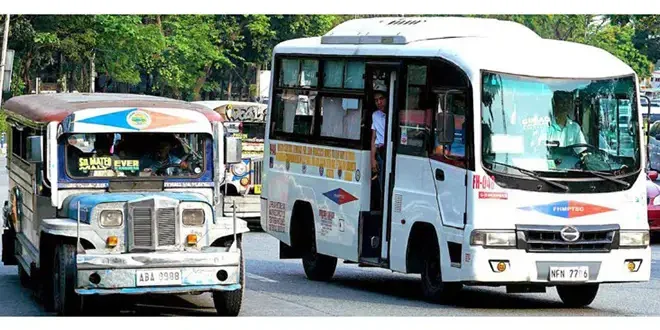
The Automotive Body Manufacturers Association of the Philippines (ABMAP) is alarmed over the stalled public utility vehicle modernization program following reports that the Development Bank of the Philippines and Landbank have exhausted their respective budgets and called on the government to secure additional funding and prioritize the program, which is critical not only for modernizing the country’s dilapidated, polluting, and unsafe jeepneys but also for revitalizing the local automotive industry.
Edgar Manuel, ABMAP executive director, expressed deep concern over the funding shortfall. “The PUV modernization program is a transformative project that addresses multiple national issues—public safety, environmental sustainability, and economic growth. It is disheartening to hear that funding has run dry, especially when we are on the brink of realizing its immense benefits. We urge the government to act swiftly and allocate the necessary resources to keep this program alive,” he said.
Manuel added that “modern PUVs are not just about improving public transport; they are about creating opportunities for local manufacturers and workers. With locally produced vehicles adding 50% local value, every modern PUV supports our domestic supply chain, reduces reliance on imported parts, and strengthens the economy. This program is a lifeline for the local automotive industry, which has been struggling for years.”
The program, which aims to replace aging jeepneys with modern, Euro 4-compliant vehicles, has already shown its potential to create jobs and stimulate economic activity. ABMAP estimates that the program directly supports over 10,000 employees across vehicle producers and parts manufacturers, including its member companies that build vehicle bodies, chassis, and components. The ripple effect extends to an additional 20,000 workers in the auto parts manufacturing sector, which supplies essential components.
But, according to Manuel, the program’s progress is now at risk due to the lack of funding and stressed that delays in implementation will have far-reaching consequences. “Everyday we delay, we compromise the safety of millions of commuters, the health of our environment, and the livelihoods of thousands of workers. The government must step in and ensure that this program continues without interruption. This program is too important to fail. We need a collective effort to secure the necessary funding and keep the momentum going. The future of our public transport system and the local automotive industry depends on it.”