 The Market Monitor Minding the Nation's Business
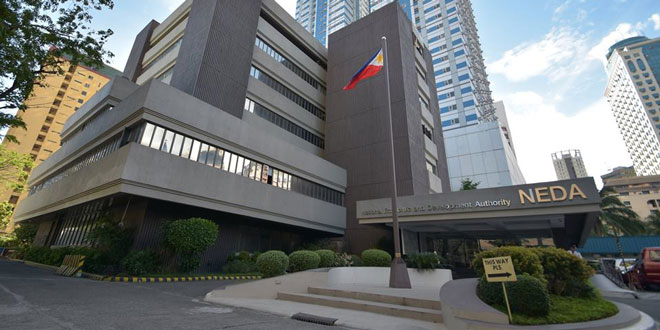
The National Economic and Development Authority (NEDA) and local economists expect the economy to post a deep contraction in the second quarter this year due to the COVID-19 pandemic.
NEDA Undersecretary Rosemarie G. Edillon said the GDP could still post a growth just below the country’s historical average of 5 percent to 6 percent in the first quarter.
The full impact of the pandemic was felt toward March when the President placed Metro Manila on community quarantine.
Ateneo Center for Economic Research and Development (ACERD) Director Alvin P. Ang said the contraction in the second quarter may reach double digits if the ECQ is extended.
This will be followed by another contraction in the third quarter, Ang said, marking a technical recession for the Philippine economy. A technical recession occurs when GDP growth contracts in two quarters.
The only factor that could complicate GDP growth in the third quarter will be the impact of La Niña on the economy. The third quarter is also, historically, typhoon season in the Philippines.
However, first- and fourth-quarter growths will be positive, with the fourth quarter allowing the economy to post its best GDP performance for the year.
For his part, economist Calixto V. Chikiamco said: “Government is projecting -1 percent growth in 2020. That means economic contraction in the first and second quarter. The magnitude of contraction will depend on size and timing of economic relief and emergency fund of government. As of now, only about 5% of GDP is being set aside compared to other countries like Malaysia at 15 percent of GDP and Thailand at 10 percent of GDP.”
However, Dean Cid Terosa of the University of Asia and the Pacific School of Economics is not as optimistic as NEDA when it comes to first-quarter GDP growth—expecting it to be close to zero to as much as 2% in the April to June period.
“I don’t think there will be any [growth drivers] as long as the ECQ is in place. If the ECQ is lifted by the end of April, we can rely on domestic consumption spending and government pump priming to drive growth,” Terosa said.
Terosa said the La Niña phenomenon would likely take its toll on third-quarter GDP growth this year.
Nonetheless, Terosa said, July-September growth would likely be positive especially if the negative effects of the ECQ have waned and the pandemic is controlled.
“If the effects of La Niña are severe, it will hold back the positive effects of economic rebuilding activities and dampen economic growth,” Terosa said.