 The Market Monitor Minding the Nation's Business
The mass indignation rally held September 21 at Luneta—timed with the anniversary of Martial Law—was meant to be a statement, a collective cry for accountability and reform.
Spearheaded mainly by youth organizations, the gathering captured the spirit of a generation disillusioned by systemic corruption and governmental inaction. But what could have been a peaceful, powerful protest was marred by violence, chaos and allegations of infiltration.
Reports suggest that provocateurs incited participants—some reportedly unaware of the depth of the issues they were protesting—to rush Malacañang in a futile attempt to recreate the momentum of Nepal’s recent violent protest.
The result was predictable: violent dispersals, hundreds arrested, dozens injured, and a narrative hijack. Families of the detained youth rushed to defend them, perhaps unaware of the mayhem their children participated in or were manipulated into. The sincerity of their outrage was drowned out by broken glass, bruised bodies, and a city left on edge.
Yet even this chaotic display underscores the desperation of the times. The frustrations on display were not manufactured; they are rooted in real grievances—endemic corruption, selective justice, and an administration perceived to be protecting its own.
The revelations by the dismissed DPWH Bulacan district engineer would have stirred significant public uproar in a functioning democracy. But today, people no longer expect accountability; they expect cover-ups, distractions, and the slow grind of bureaucratic delay.
The courts, theoretically the last bastion of impartial justice, inspire little confidence. When the accused have access to hundreds of millions in stolen wealth—money that can buy silence, sway rulings, or simply stall proceedings—justice becomes negotiable. The people see it. They feel it. They resent it.
Even whistleblowers like former Governor Chavit Singson, who claimed widespread corruption in infrastructure projects tied to the President’s political base, find themselves dismissed.
Critics argue Chavit is no saint, having allegedly profited from the same system he now condemns. But that does not automatically invalidate his claims. His testimony, alongside those of the Discaya couple and DPWH engineers Alcantara, Hernandez and Mendoza, deserves to be heard and scrutinized—not buried in political mudslinging or bureaucratic backlog.
The Independent Commission on Infrastructure (ICI) has demanded documents spanning a decade—a necessary but time-consuming process.
The public waits, skeptically. History has taught us that long investigations rarely lead to swift justice. Worse, there are clear attempts to derail even this fragile hope: Rep. Marcoleta’s push to place the Discayas under witness protection without returning stolen funds reeks of impunity.
Meanwhile, the new House Speaker’s suggestion to scrap congressional investigations in favor of ICI may further dilute the urgency for answers.
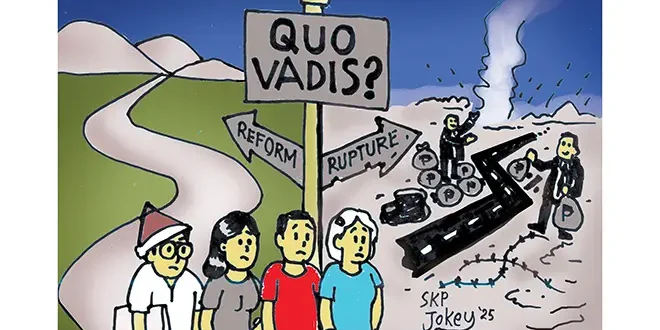
So—quo vadis? Where do we go from here?
If the ICI fails to deliver truth, transparency, and justice, the disillusionment will deepen. And when institutions lose their legitimacy, people turn to the streets—not out of ideological fervor, but from the sheer need to be heard.
The Luneta rally may be dismissed as unruly, even misguided. But it is also a warning sign. A bigger, more volatile EDSA could be brewing—not because the people desire chaos, but because they have run out of options.
The path forward demands political courage: to let investigations run their course, to allow real accountability, to silence not the whistleblowers but the enablers. Without it, we will not only repeat history—we may fall into something far worse.
The clock is ticking. Those in power must decide: reform or rupture.
Because the people are watching—and waiting.