 The Market Monitor Minding the Nation's Business
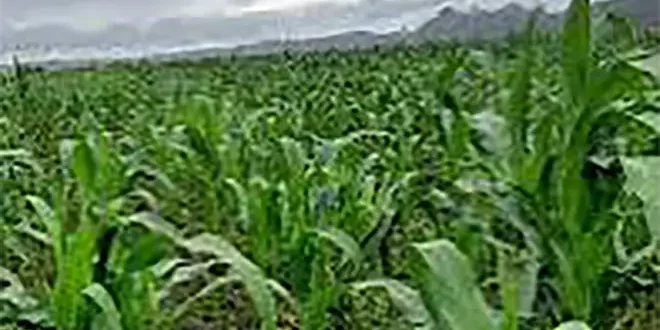
The spate of typhoons in October and November that crossed wide swaths of areas in Northern and Central Luzon, including Visayas and some parts of Mindanao, had forced farmers to rethink their planting strategies to quick-maturing crops so they increase the likelihood of harvesting before storm signals are raised.
Nilor S. Go, an Isabela farmer planting rice and yellow corn, revealed that white corn for human consumption instead of yellow corn (animal feed) is looking more attractive because of its shorter time to harvest..
“Right now, we are trying to look at crops that can grow in the next 70 to 75 days. The alternative is sweet (white) corn,” he told Business World.
Though Isabela is known for yellow corn (for animal feeds), farmers are considering food grade white corn as It is a high value crop.
The Department of Agriculture (DA) said it is allocating P5.32 billion for the National Corn Program next year, to fund new irrigation facilities, post-harvest facilities, planting material, and fertilizer.
Go said the weather disturbances in recent weeks wiped out much of his standing crop, mostly corn. “One typhoon is more than enough to destroy our harvest, but six consecutive typhoons really battered us,” he added.
He said that his farm entered the yellow corn growing season last month, and this was the crop that the typhoon hit.
Yellow corn takes four months to grow. If we were to plant again in December, it will start flowering by February, which puts it in the dry season,” he said.
PAGASA logged six successive typhoons approaching or traversing the eastern and northern Philippines in November.
The DA estimated farm damage at about P10 billion. The DA has said that producers are having difficulty recovering from the recent weather disturbances.
Go said it would take him four to five crops to fully recover from damage inflicted by the storms.
The Philippines is set to face an increased likelihood of tropical cyclone activity in December due to La Niña.
PAGASA noted a 71 percent likelihood of La Niña setting in between November and January, lasting until early next year.
Go is eyeing to expand into value-added processing, rather than selling his crops to processors.
“We need to process our own produce. As farmers, we are always at the mercy of the middlemen or the processing industry,” he added.
“Our plan for this coming season… is to really diversify our crops. We’re looking to expand to fruit bearing trees,” he added.
Go– before venturing into farming worked for an IT company in Metro Manila. But COVID 19 made him return to his home province and try his hand at farming.