 The Market Monitor Minding the Nation's Business
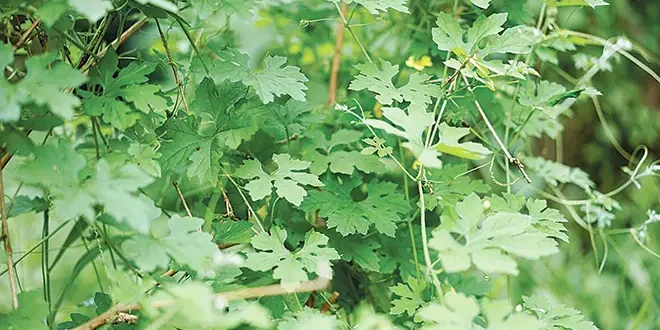
The University of the Philippines is looking for partners to commercialize and market its ampalaya (bitter gourd) medicine table, developed from years of clinical trials and found to be a promising alternative and complementary treatment to manage Type 2 (lifestyle acquired) diabetes among millions of Filipino sufferers.
In February 2024, ScienceDirect came up with a study on diabetes & metabolic syndrome review projecting diabetes prevalence in the Philippines reaching 7.5 million people by 2045.
Other highlights include: a) complications of diabetes include vascular and nonvascular diseases; Metformin and sulfonylureas are the most widely available antidiabetic drugs and the limited insurance coverage and high out-of-pocket expenses for diabetes care.
The study said a n estimated 4.3 million Filipinos were diagnosed with diabetes while 2.8 million remained undiagnosed in 2021.
Further, Diabetic retinopathy is a top cause of preventable blindness in Region 3; Diabetic nephropathy contributes to 38 percent of renal disease cases in the Philippines.
The paper outlines diabetes care principles—screening, diagnostics, and multidisciplinary care—alongside economic implications. Local and national initiatives are discussed to mitigate diabetes trends and reduce its burden in the Philippines.
Dr. Cecilia C. Maramba-Lazarte, director of Institute of Herbal Medicine, said that the institute was still attracting pharmaceutical companies and entrepreneurs to license the ampalaya tablet for manufacturing and production, reported ABS-CBN News recently.
However, Maramba-Lazarte noted that they were”getting a lot of inquiries from interested parties” and expressed hope for “more good news about it soon.”
She added that the registration of the ampalaya medicine tablet before the Food and Drug Administration could take about a year.
While the ampalaya tablet is not yet available commercially, Marinela J. Gravidez of UP Manila’s Technology Licensing and Business Development said it could be “an affordable option for consumers, making it an attractive product in the market.”
Gravidez said that the business development unit was actively seeking licensees to bridge the gap between research and commercialization.
The ampalaya medicine tablet, derived from powdered ampalaya leaves, is stable at room temperature for at least one and a half years, according to Daisy-Mae Bagaoisan, a registered pharmacist and research assistant professor at IHM.
Bagaoisan noted that the ampalaya pill was formulated according to World Health Organization guidelines.
It is “very safe with no known side effects,” she said.
Diabetes is one of the leading causes of death in the Philippines because medicines are often prohibitive for the poor..
Earlier this year, the Bureau of Internal Revenue moved to exempt 21 new medicines from value-added tax, including those for diabetes.
For those interested in licensing and manufacturing the ampalaya medicine tablet, please contact Marinela J. Gravidez.