 The Market Monitor Minding the Nation's Business
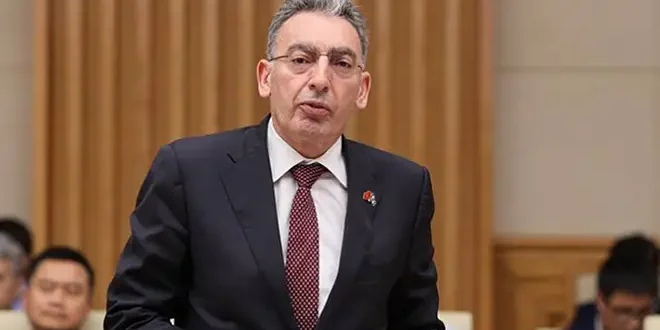
The World Bank (WB) has approved two major projects aimed at enhancing transport connectivity and healthcare services in Mindanao and other low-capacity provinces across the Philippines, benefiting at least 19 million Filipinos.
WB Country Director for the Philippines, Malaysia, and Brunei Darussalam Zafer Mustafaoğlu emphasized the bank’s commitment to supporting the Philippines’ inclusive growth and its aspiration to become an upper middle-income country.
“Initiatives that enhance transport connectivity and boost health services in low-capacity regions, particularly in Mindanao, can address regional disparities while enhancing the quality of life for many Filipinos,” Mustafaoğlu said.
The first project, the $454.94-million (P26 billion) Mindanao Transport Connectivity Improvement Project, aims to benefit 1.16 million residents by improving road networks and transport services across Cagayan de Oro, Davao, and General Santos.
The initiative involves rehabilitating and upgrading a 428.2-kilometer main road corridor connecting the three major cities, linking key ports and airports. It will also upgrade three additional local roads spanning 129.86 kilometers, further enhancing connectivity.
World Bank Senior Transport Specialist Pratap Tvgssshrk highlighted the project’s impact on rural communities, particularly smallholder farmers.
“Better rural roads reduce transportation costs and product losses for poor farmers, significantly contributing to poverty reduction,” Tvgssshrk stated.
“Sustained growth and poverty reduction in Mindanao requires making agriculture more productive, particularly the smallholder farmers. Connecting rural and remote areas to urban centers where there is demand for farm produce is a key intervention to support growth in the agricultural sector,” he added.
The second initiative, the $495.6-million (P26.3 billion) Philippines Health System Resilience Project, aims to strengthen climate-resilient healthcare networks, improve workforce capacity, and enhance governance at the provincial level.
The project will focus on 17 provinces with limited healthcare access, including 11 in Mindanao, and will benefit at least 17.9 million people, particularly those in geographically isolated and disadvantaged areas.
According to WB Senior Economist Wei Han, the initiative will invest in disease surveillance, public health laboratories, and emergency response systems to improve healthcare services.
“The health sector in the Philippines significantly depends on the efforts of local government units (LGUs) to provide essential services. However, many LGUs face challenges due to limited resources and capacity. This project is vital as it aims to empower these low-capacity LGUs to deliver high-quality health services, thereby driving socioeconomic progress through improved health outcomes for Filipinos,” Wei said.
Additionally, the project will support digital transformation, institutional strengthening, and capacity-building at both national and local levels to ensure effective healthcare delivery. TRACY CABRERA