 The Market Monitor Minding the Nation's Business
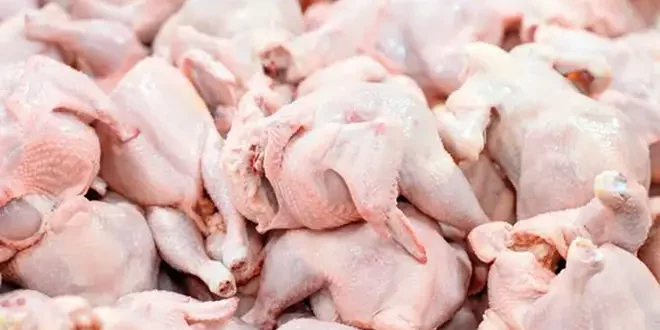
Reduced feed costs and an easing in the number of highly pathogenic avian flu infections would bring chicken production up in 2025 by 3.8 percent to 1.63 million metric tons, according to the US Department of Agriculture- Foreign Agriculture Service,
In a report by the Bureau of Animal Industry (BAI), around 53 municipalities in nine provinces still have active cases of avian flu as of Sept. 27.
BAI said the adverse impacts of African Swine Fever (ASF) on pork production will also drive chicken consumption in the Philippines.
A recent surge in ASF cases was reported in the Philippines, which the Department of Agriculture blamed on the recent rains and weak biosecurity.
“Despite high operating costs, primarily due to high domestic corn prices, the chicken meat sector rapidly expanded in the first and second quarters of 2024… this growth will generate positive momentum for 2025,” the USDA added.
The USDA said the decline in imported soybean meal prices will carry over into next year and offset the cost of corn used in animal feed.
“Challenges such as the tight supply of day-old-chicks will temper the growth of chicken meat production,” it added.
The USDA said that the limited supply of breeding stock may weigh on production growth.
“Higher prices mean more commercial raisers are willing to turn day old chicks (DOC) into broilers 28-35 days later. The elevated DOC prices will temper production growth in the rest of 2024 and 2025,” it added.
The USDA said that chicken imports are expected to increase to 480,000 MT from the 470,000 MT forecast in 2024.
“The price competitiveness of imported chicken products vis-à-vis domestically produced remains very attractive, especially for food service and institutional buyers seeking to maintain specific price points,” it added.
Meat Importers and Traders Association President Emeritus Jesus C. Cham said that imported chicken, along with pork, continue to be in demand due to the “scarcity of local production.”
And as the country approaches the Christmas season, consumption of these products would zoom because Filipinos are used to preparing sumptuous meals during the season.
“Delayed shipments are also arriving together en masse, squeezing liquidity of importers. With new arrivals, the pendulum is shifting to the other end with some selling below landed cost,” he said.
Meat imports in the seven months to July rose 7.8% to 757,296 MT, according to the BAI.
For 2025, the USDA-FAR said chicken meat imports would grow slightly to 480,000 metric tons from the projected 470,000 metric tons as demand outpaces production growth.