 The Market Monitor Minding the Nation's Business

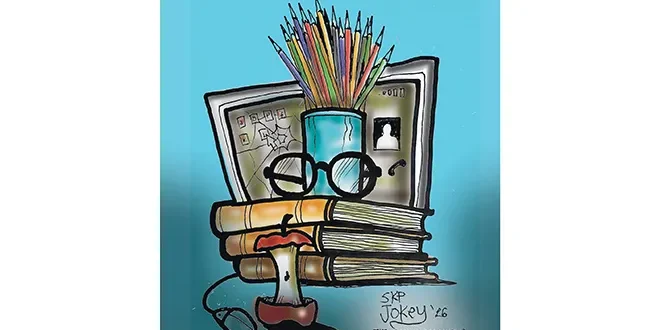
For more than two weeks, face-to-face classes in Metro Manila and nearby provinces were disrupted by continuous monsoon rains. With the rainy season still far from over, more typhoons and floods could bring further suspensions. While protecting students from dangerous weather conditions is necessary, we should not overlook another consequence of prolonged school closures: the damage to children’s social and emotional development.
The country already experienced this problem during the COVID-19 pandemic, when students endured nearly two years without normal classroom interaction. Many children who began formal schooling during that period are now in high school. They learned lessons through screens, interacted with classmates virtually and spent crucial formative years isolated from the ordinary experiences of school life.
Unfortunately, our education system tends to measure learning primarily through academic achievement. Educators understandably focus on delivering lessons, completing curricula and preparing students for examinations. But education is not simply the transfer of knowledge. Schools are also where young people learn discipline, cooperation, empathy, communication, leadership and the ability to resolve disagreements face to face.
Repeated disruptions could deepen the developmental gaps created by the pandemic. Young people who spend much of their formative years at home, often attached to smartphones and other gadgets, may find it increasingly difficult to communicate, collaborate and function confidently in real-world environments.
This should concern us not only because these students are tomorrow’s workers, but because they are tomorrow’s leaders.
We should not be surprised if more young leaders emerge possessing impressive credentials but lack the interpersonal and emotional skills necessary to lead people. Leadership should be based on competence, character and the ability to inspire others—not merely family name, wealth or connections.
The consequences could extend to the country’s workforce. The Philippines has long depended on overseas Filipino workers whose competitiveness rests not only on diplomas but also on practical skills, adaptability and the ability to work effectively with people from different cultures. If prolonged disruptions weaken these foundations, the country could eventually see its global workforce competitiveness decline.
Floods may be difficult to solve overnight. But the educational damage caused by prolonged class suspensions should not be treated as unavoidable collateral damage. The government and educators must develop ways to keep children learning—and, equally important, keep them socially connected.
A child’s education does not stop when the classroom closes. But neither should the child’s opportunity to grow.