 The Market Monitor Minding the Nation's Business

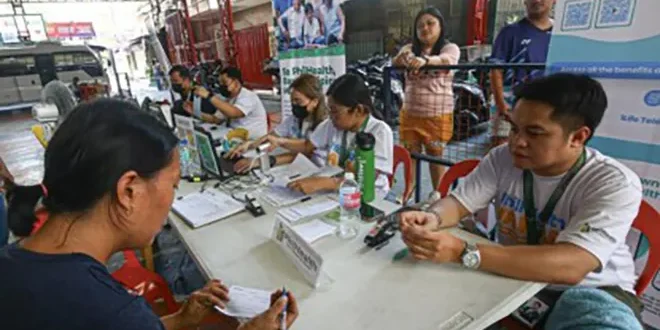
The Asian Development Bank (ADB) has increased financing for the Philippines’ universal health care program by $250 million to $750 million.
The additional financing forms part of an $800-million package that the multilateral lender is deploying to help the Philippines and Maldives maintain essential public services.
Of the total, $750 million will go to the Philippines while $50 million will support energy security in the Maldives. Growth could miss target for 4th year
“Conflict does not have to cross a border to enter a family’s home. It arrives in the price of medicine and in whether the lights stay on,” ADB President Masato Kanda said.
“ADB is acting so Filipinos can get the health care they need, and people in Maldives can count on electricity and water, even as a distant crisis drives up costs,” he added.
The additional $250 million draws on the up to $1.75 billion in additional support that Kanda offered President Ferdinand Marcos Jr. in May.
The Japan International Cooperation Agency (JICA) is also providing about $188 million in parallel cofinancing, up from the original $130 million.
The $750-million loan will finance Subprogram 3 of the Philippines’ Build Universal Health Care Program, which seeks to improve equitable access to quality health services nationwide.
The program also covers services responsive to women’s health needs and health impacts arising from extreme weather, the ADB said.
The lender said Subprogram 3 had continued to support universal enrollment in PhilHealth, the country’s national health insurer, while helping reduce the share of household spending on health care.
It has also expanded PhilHealth benefit packages to cover primary care, emergency services and additional medicines, and increased no-copayment beds in public and private health facilities and deployed mobile health units, emergency medical assistance teams and community health teams through the PuroKalusugan program in underserved areas.