 The Market Monitor Minding the Nation's Business
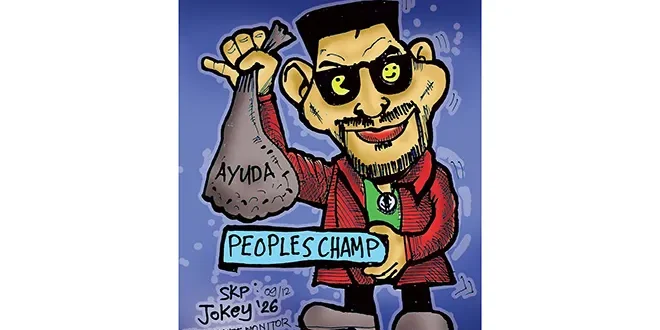
The recent appointment of boxing superstar Manny Pacquiao as head of the Anti-Poverty Commission has generated neither widespread public approval nor significant opposition. His appointment, however, brings an unusual combination of qualifications: a personal success story rooted in poverty and a long record of extending assistance to poor Filipinos, particularly after retiring from professional boxing.
What could distinguish Pacquiao’s approach from previous government efforts to address poverty and mendicancy is the public perception that he has little personal interest in benefiting financially from funds intended for the poor. Putting Pacquiao and kickbacks in the same sentence may seem contradictory to those familiar with his reputation for philanthropy. But reputation alone cannot guarantee that public funds will be protected. The Commission will still have to operate within the same government system, where transparency, safeguards and accountability remain essential.
The more important question, therefore, is not whether Pacquiao can be trusted with government funds, but whether he can be effective in using government resources to make a measurable difference in the lives of the poor.
That may prove to be his biggest challenge. Pacquiao will have to work within a deeply entrenched bureaucracy and distinguish programs that genuinely reduce poverty from those that merely perpetuate existing approaches. His experience of poverty may give him a valuable perspective, but good intentions must be matched by sound policy, competent implementation and measurable results.
Another early challenge will be assembling a professional team. Moving from a sports-centered inner circle to a group of competent and independent public servants will require Pacquiao to put qualifications and performance ahead of personal familiarity. The people surrounding him could determine whether his leadership becomes a serious anti-poverty effort or simply another government appointment.
Pacquiao’s previous stint in the Senate produced few accomplishments that defined his legislative career. His new position gives him another opportunity—this time with direct access to government machinery and resources—to demonstrate what he can accomplish.
He should not simply inherit existing programs. He should identify what works, discard what does not, and demand results.
The poor do not need another celebrity advocate. They need a government official who can turn compassion into effective programs, public funds into tangible benefits, and promises into measurable improvements in their lives.