 The Market Monitor Minding the Nation's Business
By Jesse C. Ong
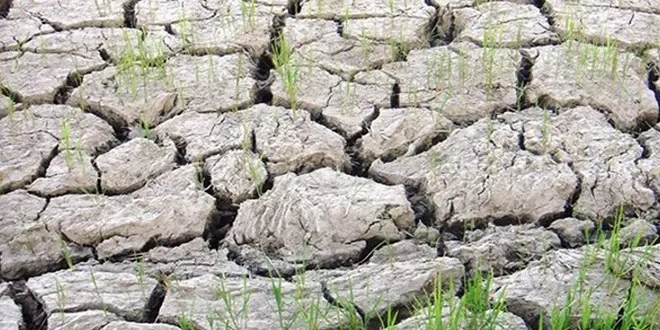
The Philippine economy is bracing for a potentially more disruptive El Niño episode as the state weather bureau warned that the climate phenomenon is likely to intensify in the coming months, posing fresh risks to agriculture, energy, water supply, food prices, and other climate-sensitive industries.
The Philippine Atmospheric, Geophysical and Astronomical Services Administration (PAGASA) said there is now a 69% probability that El Niño will strengthen into a “strong” event during the August-September-October period, while the likelihood of it escalating into a “very strong” episode has risen to 62% during the October-November-December and November-December-January seasons.
According to PAGASA Climate Monitoring and Prediction Section Chief Ana Liza Solis, climate models indicate that El Niño will continue intensifying through the remaining months of the year and could persist until early 2027, with its warming potentially peaking during the first quarter of next year.
The updated outlook marks a significant increase from previous forecasts, underscoring growing concerns over the economic impact of prolonged dry conditions after the rainy season.
Agriculture is expected to bear the brunt of the phenomenon as reduced rainfall and prolonged dry spells beginning in November could damage rice, corn, sugar, vegetable, and fruit production.
Lower crop yields may tighten food supply, putting upward pressure on inflation and affecting agribusinesses, food processors, and retailers.
The livestock and fisheries sectors are likewise vulnerable, as limited water availability, higher temperatures, and deteriorating water quality could reduce animal productivity and fish harvests, leading to higher operating costs and lower output.
The energy sector may also face challenges if reduced rainfall limits hydroelectric power generation, increasing dependence on more expensive fossil fuel plants. Higher electricity demand driven by hotter weather could further strain the power grid, particularly during peak consumption periods.
Water utilities and manufacturing companies may encounter supply constraints if reservoirs decline, forcing businesses to adopt water conservation measures or invest in alternative water sources. Industries with high water consumption, including beverage producers, food manufacturers, electronics firms, and semiconductor plants, could experience operational disruptions if shortages worsen.
Tourism operators, particularly eco-tourism destinations, may also feel the effects of prolonged droughts, while construction firms could face delays or higher costs if water becomes scarce in project areas.
At the same time, consumer spending patterns may shift as households allocate more of their budgets to electricity, water, and food, potentially affecting discretionary spending in retail, dining, and leisure businesses.
Despite the dry outlook, Pagasa said the western portions of Luzon and the Visayas could still experience episodes of heavy rainfall due to the enhanced southwest monsoon, increasing the risk of localized flooding.
The weather bureau also expects fewer tropical cyclones to enter the Philippine Area of Responsibility later this year, although those that do develop are more likely to reach typhoon or even super typhoon strength.
Pagasa declared on June 9 that El Niño conditions are already present in the tropical Pacific. The phenomenon, defined as the warm phase of the El Niño-Southern Oscillation, is characterized by warmer-than-average sea surface temperatures in the central and eastern equatorial Pacific and generally cooler-than-average waters over the Philippine Sea.
Economists said businesses should begin strengthening climate resilience strategies, including improving water management, diversifying supply chains, enhancing energy efficiency, and reviewing contingency plans, as the prolonged El Niño could pose significant operational and financial challenges well into 2027.