 The Market Monitor Minding the Nation's Business
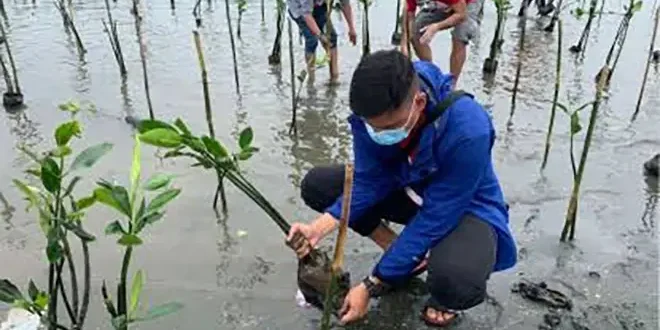
The private sector had been undertaking mangrove reforestation programs as part of their commitments to corporate social responsibility since the 1990s.
But despite the good intentions, they must correct flaws in their CSR programs on mangrove which had been done mostly in existing mudflats and seagrass beds.
This was the advice of the Global Mangrove Alliance Philippines (GMA Philippines) which said that while it recognizes the “commitment of the business sector to environmental conservation, we must urgently bring to your attention critical ecological concerns about CSR implementation, as mangrove planting activities have been conducted in existing mudflats and seagrass beds,” said Annadel Cabanban, country manager of Wetlands International Philippines and lead convenor of the Global Mangrove Alliance (GMA) Philippines.
GMA Philippines is the national chapter of the Global Mangrove Alliance, an international initiative uniting nongovernment organizations, governments, academics, and communities toward the sustainable management and rehabilitation of mangrove forests, reported Business Mirror..
In a letter sent to the Philippine Business for Social Progress (PBSP), Cabanban said it has been observed that mangrove planting on mudflats and seagrass beds has been happening since the 1990s.
The common mistake by the private sector happened “because they have resorted to planting mangroves to meet their CSR requirements,” and attributed this to the lack of awareness and the knowledge gap between science and the laymen.
While well-meaning, such activities may even be harmful to the environment as mangroves are often planted on seagrass beds and mudflats, GMA Philippines believes.
“Seagrass meadows and mudflats have their own ecosystems. When you plant mangroves on non-mangrove areas, the mangroves will either die or destroy the entire ecosystem,” says Cabanban.
Cabanban expressed hopes that the advocacy for science-based mangrove rehabilitation will soon be mainstreamed in the private sector.
She said that given the current trend of mangrove planting for sustainability requirements, GMA Philippines recommends that private sector to:
1. Partner with mangrove scientists and practitioners on future coastal restoration projects.
2. Join evidence-based mangrove rehabilitation training
3. Co-develop a strategy for mangrove rehabilitation that follows natural coastal patterns and maximizes resource efficiency.
“The GMA Philippines stands ready to provide expertise and support in addressing mangrove-related challenges,” says Cabanban, adding that the Alliance is willing to meet and partner with the private sector on coastal restoration.