 The Market Monitor Minding the Nation's Business
The devastating earthquake that struck Mindanao has already begun its familiar slide from the nation’s consciousness. As television cameras move on and public attention shifts elsewhere, relief and rehabilitation efforts risk becoming another unfinished chapter in the long list of government responsibilities that fade once the headlines disappear.
The pattern is painfully familiar. The flood control scandal that once dominated public discussion has likewise receded from official urgency, despite the billions involved and the continuing questions of accountability.
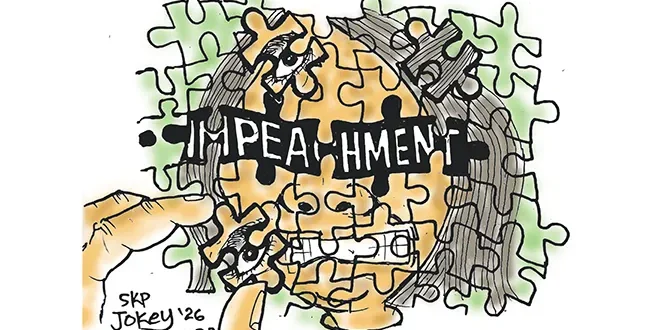
Now the spotlight has shifted to the Senate, where the embarrassing struggle for the Senate presidency has finally been settled. With a new majority in place, attention turns to the impeachment trial of Vice President Sara Duterte. Yet, despite the drama surrounding Senate leadership, the outcome of the trial appears less dependent on legal arguments than on political arithmetic.
The recent impasse itself demonstrated how fragile political alliances can be. A single senator’s decision to switch sides altered the balance of power and resolved the leadership contest. That reality underscores the central truth of the impeachment process: conviction requires a two-thirds vote of the Senate, a threshold that appears practically unattainable under current political conditions.
The effort by some sectors to install a Senate President perceived to be sympathetic to the Vice President now seems unnecessary. Constitutional and legal experts have repeatedly pointed out that the presiding officer does not determine the verdict. Each senator ultimately votes according to his or her own appreciation of the evidence presented during the proceedings.
But impeachment, unlike an ordinary criminal trial, is inherently political. Senators serve simultaneously as judges and politicians. Nothing prevents them from considering party loyalties, future alliances, electoral calculations, or personal affiliations when casting their votes.
The enthusiastic preparations of the House prosecution panel may satisfy public demands for accountability and create the appearance of a determined pursuit of justice, but enthusiasm alone cannot secure conviction.
In the end, the impeachment trial may reveal less about the evidence against the Vice President and more about the political realities inside the Senate. Unless a dramatic realignment occurs, the numbers suggest that a two-thirds vote for conviction remains beyond reach. The verdict, therefore, may already be visible long before the trial formally begins.