 The Market Monitor Minding the Nation's Business
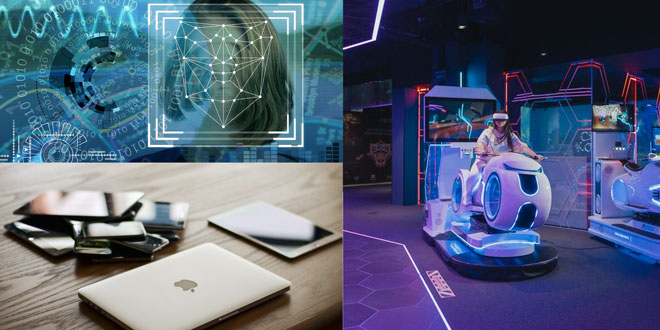
Generation Z and Gen X in Southeast Asia (SEA), including the Philippines, are less afraid of handling advanced technologies such as biometrics, smart appliances, robotic devices and deepfakes, according to a recent research.
On the other hand, security firm Kaspersky discovered that Millennials and Boomers are more guarded.
Kaspersky’s study included 1,240 active social media users aged 18-65 in the Philippines, Australia, India, Malaysia, Singapore and Vietnam.
Over half of the respondents – 62% – are afraid of deepfakes.
The fear was highest among Baby Boomers (74%) and lowest among Gen X (58%). Deepfakes use artificial intelligence to create images, audio or voice recordings in someone else’s likeness.
Deepfake videos have been used for political purposes, as well as for personal revenge. They are also being used in major attempts at blackmail and fraud.
For example, the CEO of a British energy firm was tricked out of $243,000 by a voice deepfake of the head of his parent company requesting an emergency transfer of funds.
The fake was so convincing he didn’t think to check. The funds were wired not to the head office, but to a third party bank account.
The CEO only became suspicious when his “boss” requested another transfer. This time, alarm bells rang – but it was too late to get back the funds he’d already transferred.
The survey respondents are less afraid but still guarded about biometrics or the use of fingerprint, eye scanner and facial recognition, smart devices, and robotic tools like a robot cleaner.
Social media users in the region have valid reasons to fear the up and coming technologies as the study also unmasked their negative experiences online.
Most common cases encountered by more than 3-in-10 respondents was account takeover where someone got access to their accounts without their permission.
More than a quarter (29%) also have some secret information seen by someone they would not want to see.
Over 2-in-10 also shared that someone got access to their devices forcibly, their private information was either stolen or used without consent or was seen publicly.
Aftermaths of these incidents include receiving spam and adverts, stress, causing embarrassment or offense, reputational damage and monetary loss.
“Our survey proves that unfortunate incidents can happen online and have real-life repercussions,” noted Kaspersky Managing Director for Asia Pacific Chris Connell.
“Technologies are meant to evolve for the greater good, however, there are always learning curves where some amount of fear with action will be vital,” he added.
However, the same research revealed that there are still almost 2-in-10 users in the region who believe that internet security software is not required to protect their online lives.
This perception was highest with Gen Z, followed by Millennials. There were both 15% of Gen X and Baby Boomers who also deem these solutions unnecessary.
COVID-19 has caused an overnight remote working revolution, bringing with it new cyber-challenges for IT teams.