 The Market Monitor Minding the Nation's Business
Malacañang on Thursday suggested that domestic political tensions may have played a role in the Philippines’ unsuccessful bid for a non-permanent seat at the United Nations Security Council (UNSC) for the 2027–2028 term.
Palace Press Officer Claire Castro said internal political “noise” and ongoing disputes in the country could have influenced international perception during the voting process, despite efforts by President Ferdinand R. Marcos Jr. to secure support for the Philippine candidacy.
“Yes, lahat ng political noise, lahat ng political tensions nakakaapekto ito at ito ang nakikita ng buong bayan at buong mundo sa impresyon dito sa Pilipinas,” Castro said.
She added that such perceptions may have negatively affected how other countries viewed the Philippines’ bid.
“So, nagiging negatibo dahil sa mga ingay na ito na karamihan naman ay mga obstructionist katulad ng pag-describe ng Pangulo,” she said.
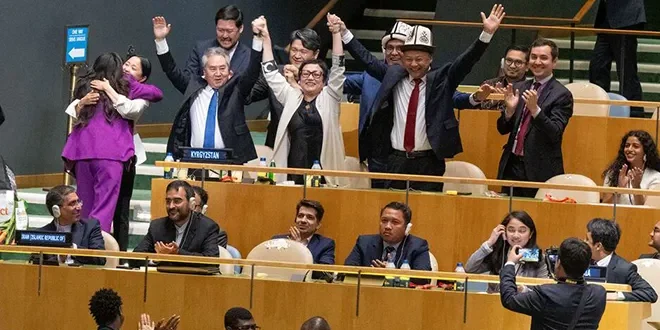
The Philippines lost its bid for a UNSC non-permanent seat after receiving 49 votes, falling short against Kyrgyzstan, which secured 142 votes for the lone Asia-Pacific slot during elections at the United Nations General Assembly.
The Marcos administration had actively campaigned for the seat as part of its broader push to strengthen the country’s role in multilateral diplomacy and global decision-making.
The UNSC remains one of the most influential bodies in the international system, responsible for maintaining international peace and security, with non-permanent members often gaining a platform to shape key global policy discussions.