 The Market Monitor Minding the Nation's Business
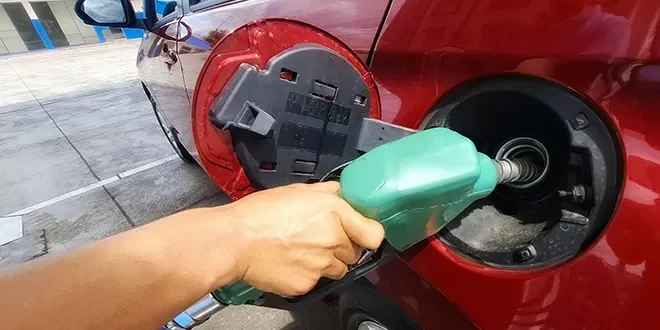
The temporary use of Euro 2 fuels on new trucks, and even vehicles, “may result in adverse effects on engine performance, durability, and emissions systems (so they) must be undertaken with utmost caution, supported by clear guidelines, proper safeguards, and comprehensive public information.”
This is the position of one major vehicle group in the country regarding the recent announcement of the Department of Energy circular no. 2026-03-0010 to allow the “interim introduction of Euro 2 petroleum products” as a result of the spiraling cost of fuels due to the Middle East conflicts.
While the Truck Manufacturers Association, Inc. acknowledges and supports the initiative of the DOE to ensure adequate fuel supply through the interim introduction of Euro 2 fuels amid current global supply challenges, the group said there is a need for close monitoring and information dissemination.
“Our association would like to emphasize that the implementation of this interim measure must be undertaken with utmost caution, supported by clear guidelines, proper safeguards, and comprehensive public information. Modern vehicles currently operating in the Philippines, particularly those compliant with Euro 4 emissions standards, are engineered with advanced fuel systems and emission control technologies that are highly sensitive to fuel quality – particularly sulfur content. The use of Euro 2 fuels, which have significantly higher sulfur levels, may result in adverse effects on engine performance, durability, and emissions systems,” according to the group’s official statement.
It added that clear and accessible information must be made available to the public on how to determine vehicle compatibility with Euro 2 fuels, including distinctions between Euro 2 and Euro 4 compliant engines, according to the TMA, which headed by its president Robert Carlos and vice president Victor Vinarao.
“The advisory requirements prescribed under the Circular is a positive step, and their strict and consistent implementation across all fuel retail outlets is strongly encouraged. TMA also recommends that industry stakeholders and relevant government agencies collaborate closely in disseminating accurate technical guidance, conducting public awareness campaigns, and ensuring that end-users, particularly fleet operators, transport groups, and individual vehicle owners fully understand the implications of fuel selection on vehicle performance, maintenance, and longevity,” the statement added.
While the introduction of Euro 2 fuels may be necessary as a temporary measure, TMA strongly advocates that “such implementation be time-bound, closely monitored, and aligned with the country’s long-term direction toward cleaner, more efficient, and environmentally sustainable fuel standards.”