 The Market Monitor Minding the Nation's Business
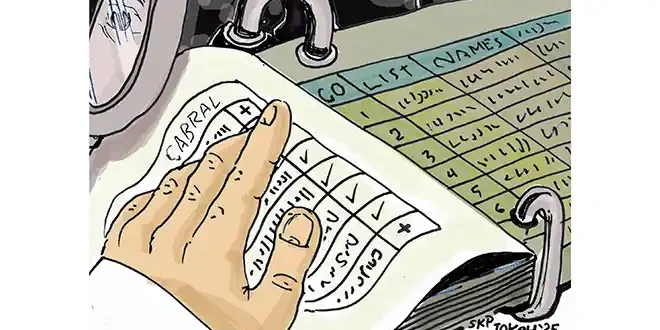
The uneven treatment of whistleblowers in the unfolding budget manipulation controversy reveals less about the credibility of evidence and more about the power structures that decide what is worth believing. When fugitive, resigned congressman Zaldy Co released a series of videos naming alleged beneficiaries of commissions tied to budget distortions, his claims were swiftly dismissed. The reason: the statements were not duly notarized. Procedure, it seemed, outweigh substance.
Yet, this rigid insistence on formality dissolved when Rep. Leandro Leviste disclosed what he described as far more explosive material—documents reportedly obtained from the late Department of Public Works and Highways (DPWH) Undersecretary Catalina Cabral. Suddenly, allegations of systemic corruption were treated as credible, discussed seriously in political circles and media commentary. The contrast is striking and raises an uncomfortable question: is truth determined by evidence, or by who presents it?
According to Leviste, one of the undisclosed documents is an Excel spreadsheet with over 17,000-line items across 15 tabs, detailing alleged allocations from the DPWH budget. He claims the records suggest that at least ₱150 million was earmarked for each member of Congress, with allocations allegedly ballooning into the billions for select lawmakers and even some Cabinet officials. The alleged formula for this distribution, he says, originated from Cabral herself. These are grave assertions, and while they remain allegations, their scale alone demands scrutiny rather than selective disbelief.
No one is questioning if the Excel file is signed by Cabral or supported by other evidence or if it is duly notarized.
What deepens the unease are the rumors swirling around these documents. Whispers that some “honorable” congressmen are quietly spending millions to have their names removed from the list—if true—point to a system more concerned with containment than accountability. The highly suspicious circumstances surrounding Cabral’s death only intensify public anxiety. When key witnesses disappear, whether through violence or unexplained deaths, the integrity of any investigation is compromised before it even begins.
Attention now turns to DPWH Undersecretary Roberto Bernardo, described as the next crucial witness. Bernardo has reportedly submitted a notarized confession, satisfying the procedural standards that disqualified Co’s videos. Yet notarization offers no protection against fear, pressure, or worse. In a political climate where whistleblowers appear vulnerable, it is not unreasonable to ask whether the Senate or bodies like the Independent Commission on Infrastructure should be concerned about the safety—and life expectancy—of those who know too much.
Once the Cabral documents are fully disclosed, Zaldy Co’s relevance may indeed diminish. His value as a fugitive rests on what he knows, and if documentary evidence renders his testimony redundant, the incentive to pursue him aggressively could fade. Speculation that authorities tasked with capturing him abroad may already be negotiating terms only underscores public cynicism toward enforcement.
At its core, this controversy is not just about budgets and spreadsheets. It is about credibility, selective outrage, and the quiet calculation of power. When notarization matters more than justice, and documents matter only when they threaten the right people, the real scandal is not corruption alone—but the system that decides when corruption becomes believable.