 The Market Monitor Minding the Nation's Business

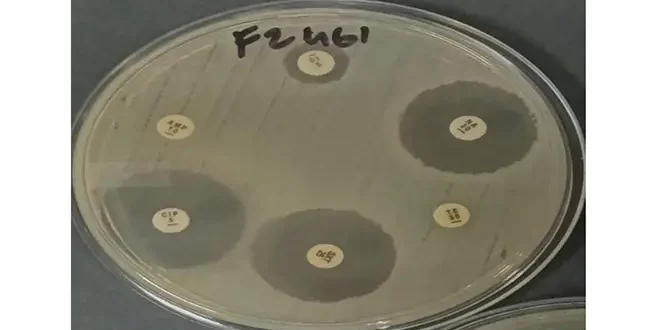
Escherichia coli (E. coli) is a common bacterium that lives in the intestines of animals and humans, and it is often used to identify fecal contamination within the environment. E. coli can also easily develop resistance to antibiotics, making it an ideal organism for testing antimicrobial resistance—especially in certain agricultural environments where fecal material is used as manure or wastewater is reused.
Traditional laboratory methods for analyzing antimicrobial resistance are often time-consuming and labor-intensive, making them impractical for large-scale monitoring. As a result, researchers are exploring faster approaches using whole-genome sequencing (WGS) and predictive modeling.
Marco Christopher Lopez and Dr. Pierangeli Vital of the University of the Philippines – Diliman College of Science’s Natural Sciences Research Institute (UPD-CS NSRI), along with Dr. Joseph Ryan Lansangan of the UPD School of Statistics, tested various artificial intelligence (AI) prediction models to determine the antimicrobial resistance of E. coli using genetic data and laboratory test results from the National Center for Biotechnology Information (NCBI) database. (Eunice Jean Patron)