 The Market Monitor Minding the Nation's Business
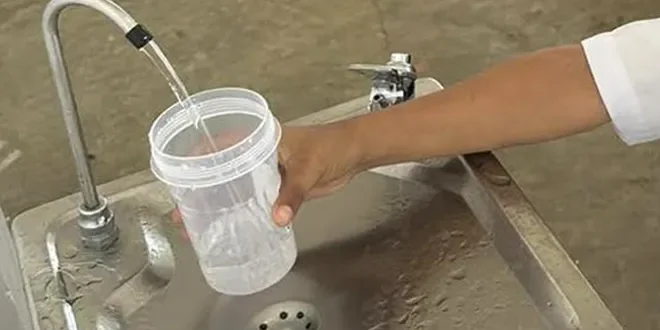
The Department of Environment and Natural Resources (DENR) on Friday called for a nationwide, coordinated effort to conserve water as government forecasters warn of developing El Niño conditions that could lead to a prolonged dry spell.
Officials said the appeal is aimed at safeguarding supplies for drinking, hospitals, and essential services while utilities move to repair infrastructure and address water shortages in vulnerable communities.
“Early action now will help protect our supply for drinking, health care, and essential services,” DENR Secretary Juan Miguel Cuna said in a statement.
The advisory, issued together with the Water Resources Management Office (WRMO) and the National Water Resources Board, brings back conservation measures previously implemented during the 2023–2024 dry season, with emphasis on simple but widespread household practices.
Cuna urged the public to adopt water-saving habits such as taking shorter showers, turning off taps while brushing teeth, fixing leaks immediately, and reusing greywater where safe for non-drinking purposes like flushing and cleaning.
“Nonessential activities, including car washing, driveway hosing and private pool refilling, are discouraged unless required for health reasons,” he added.
Local government units are expected to roll out water delivery schedules and establish refill stations in areas most affected by limited supply, while water utilities are directed to intensify pressure management and repair leak-prone systems to reduce losses.
Authorities stressed that potable water will be prioritized for drinking, sanitation, and medical facilities, with allocation guidelines to be made public to ensure transparency.
“We will focus resources where they are most needed,” Cuna said, adding that regular updates on reservoir levels, system performance, and relief measures will be released weekly.
The DENR also outlined additional steps, including fast-tracking permits for urgent repairs, requiring large commercial establishments to submit water conservation plans, and encouraging rainwater harvesting for non-potable use during rainfall periods.
Targeted assistance will be prioritized for hospitals, clinics, and low-income communities.
Cuna said the success of the initiative depends on collective action from the public.
“We are asking communities to work with us,” he said. “Together, we can protect the water people depend on.”