 The Market Monitor Minding the Nation's Business
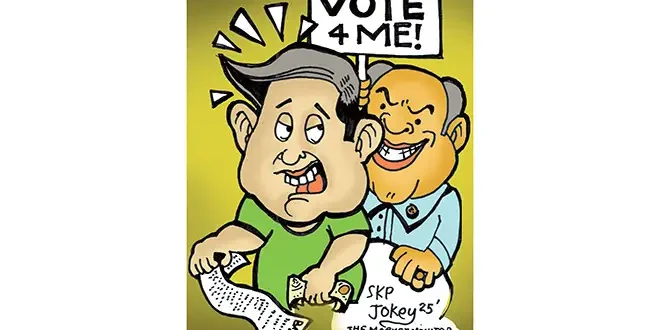
The recent observation by European Union (EU) election observers that the Philippines’ midterm elections were marred by rampant vote buying and political violence should be a sobering call for national reflection, not indignation or denial.
Their assessment, which paints a dismal portrait of the democratic process in action, is not an affront to our sovereignty but a mirror held up to our political system—one that continues to be tainted by deep-rooted corruption and impunity.
It is a sad truth that in many parts of the country, elections remain transactional affairs.
The buying and selling of votes—whether through envelopes of cash, grocery items, or vague promises of future favors—continue to undermine the very foundations of representative democracy.
When a citizen’s vote is treated as a commodity rather than a sacred democratic right, the outcome is not genuine choice but manipulated consent.
Equally troubling is the violence that too often accompanies these exercises in democracy.
The EU observers’ account of politically motivated killings, intimidation, and harassment during the electoral season is not merely a critique—it is a condemnation of a culture of impunity that has long plagued Philippine politics.
In many provinces, political dynasties wield not just influence but fear, sustained by private armies and the tacit tolerance of law enforcement agencies.
What makes these revelations even more painful is that they are not new. Every election cycle, the same issues resurface: guns, goons, and gold. Reforms are pledged but rarely implemented in earnest.
The Commission on Elections (COMELEC) has made strides in modernizing the voting process, but it must now confront the deeper structural rot that no machine can solve.
It is time for the national government, civil society, and citizens themselves to treat electoral malpractice as an existential threat to democracy. Electoral reforms must be more than cosmetic.
Campaign finance laws must be strictly enforced, with real penalties for violators. Vote buying must be treated as the criminal offense it is, with swift prosecution and disqualification of offenders, both buyers and sellers.
Law enforcement must be depoliticized and empowered to protect voters, not politicians.
Moreover, the culture that enables these practices must be addressed. Poverty and lack of political education are fertile ground for exploitation.
Until voters are economically empowered and politically enlightened, the cycle of transactional politics will persist.
The European Union’s findings may sting our national pride, but the real shame lies not in being called out but in our failure to act.
Let this serve not as a moment of defensiveness, but as an opportunity for courageous introspection and decisive reform.
The health of our democracy—and the future of our nation—depend on it.