 The Market Monitor Minding the Nation's Business
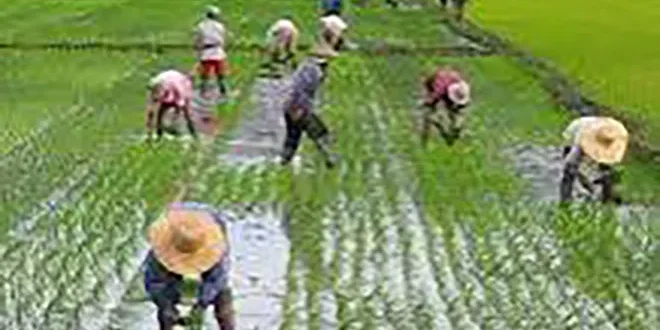
The Food and Agriculture Organization of the United Nations (FAO) will organize a youth hub in the Philippines in 2025 to engage young people in agriculture.
FAO Philippines’ representative Lionel Dabbadie said part of the initiatives that FAO works globally include agrifood systems, which are related to innovations, indigenous peoples, and the youth.
“We are at the stage of organizing an event here in the Philippines probably at the beginning of (2025) on the youth hub for agrifood systems,” Dabbadie said.
He noted the “huge demand” for reconnecting with nature, agrotourism, and digital technology in farming as ways that could draw the youth into the sector.
“We can promote the new agriculture [which involves] digital technologies for which the youth are the best.”
He said FAO is checking on possible sites for agrotourism, a niche that bridges tourism and agriculture by engaging visitors in agricultural enterprises, which has a “big demand” in the country and “for which the youth can see benefits.”
“We have visions that can attract the youth in this sector, and maybe we don’t have the quantity yet in terms of youth attracted by farming, but I think we have the quality.”
Last June, Senate President Francis Escudero sounded the alarm over the static average age of Filipino farmers, noting the need to prove that it is possible to earn in the agriculture sector.
The Department of Agriculture (DA) earlier disclosed that the average age of farmers in the country was 49 to 50 years old, based on the agency’s registry system.
“For a long time, the new generation has not replaced our aging farmers,” Escudero said in Filipino.
The lawmaker added that as long as it could not be proven that it would be possible to earn sustainably in the agriculture sector, the average age of farmers and fishermen will keep rising and the quality of production will continue to suffer.
Philippine Statistics Authority data revealed that farmers and fishers still have the highest poverty incidences among the basic sectors in 2021, with farmers at 30 percent and fisherfolks at 30.6 percent.
“I think agriculture in the Philippines is still an aging activity, but I see a growing interest from part of the youth to invest in the sector,” Dabbadie said.
“What we need to do is give the youth attractive conditions, by creating activities and livelihood for the people,” he added.