 The Market Monitor Minding the Nation's Business
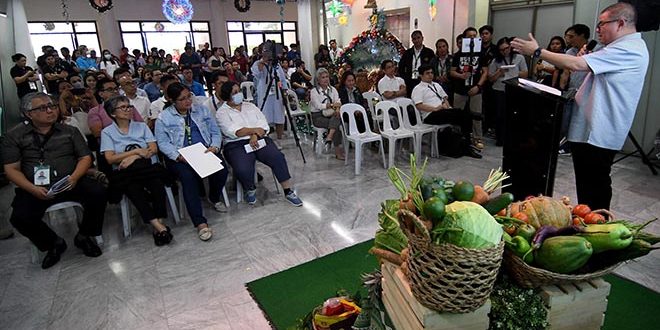
The Department of Agriculture lauded the active participation of its 1,887 partners in the Kadiwa program as well as local governments that have enjoined farmers in the Kadiwa program, thus expanding their market access.
In a program last December 19, Agriculture Secretary Francisco Tiu Laurel Jr. acknowledged the sacrifice and hard work of long-time partners of the DA Kadiwa Program who remained steadfast in pursuing the government’s mission to supply affordable, fresh and nutritious food.
Laurel also recognized the valuable contributions of local government units (LGUs) that continue to provide regular market hubs for the produce of local farmers and fishermen.
Aside from providing food producers a year-round market for their harvest at no extra cost, Laurel said, the Kadiwa had established a strong, well-ordered collaboration with the national government, LGUs, and the communities they serve.
“Today, we acknowledge the outstanding partnership and participation of the local governments of Quezon City, Las Piñas, Parañaque, and Muntinlupa City in the KADIWA Program,” Laurel said.
He explained that ‘kadiwa’ implies a partnership with like-minded people.
He lauded the LGUs for their generosity and readiness to provide services to consumers, especially during the COVID 19 quarantines and lockdowns.
“The Kadiwa centers and the people that man them ensured adequate public access to food in many areas hard-hit by COVID 19, and risked their own health and safety by performing their duties at the height of the pandemic,” Laurel said.
DA Assistant Secretary for Consumer Affairs Genevieve Velicaria-Guevarra said the DA, through the Agribusiness and Marketing Service, has spearheaded over 1,887 Kadiwa selling activities in Metro Manila since January.
“These provided 1,887 opportunities for Filipinos to access fresh, affordable, and delightful agri-fishery products directly from the hands of those who cultivated them: our dedicated farmers and fisherfolk,” she said.
The Kadiwa program is one of the flagship initiatives of the national government to ensure availability of sufficient food in all areas all the time. It is a marketing strategy which benefits both food producers, who may avail of free trading space for their produce, and consumers, who can purchase quality and nutritious food at low cost. (Adora Rodriguez/DA-AFID)