 The Market Monitor Minding the Nation's Business
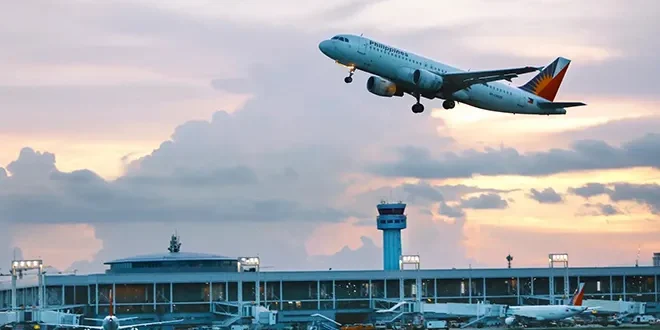
International air travel demand in the Asia-Pacific region rose by two percent to nearly 290 million passengers in the first nine months of 2026, primarily due to the growing popularity of long-haul routes, according to the Association of Asia-Pacific Airlines (AAPA).
According to the latest AAPA data, passenger volume from airlines in the Asia-Pacific region expanded to 289.48 million from January to September, higher than the 284.06 million recorded in the same period last year.
AAPA figures showed passenger demand rose by 4.6% to 1.06 trillion revenue passenger kilometers (RPK) by the end of September from 1.02 trillion RPK a year ago, indicating that passengers are flying longer distances this year.
Available seat capacity – measures number of seats multiplied by the distance flown – improved by 2.9% to 1.27 trillion seat kilometers from 1.24 trillion seat kilometers a year ago.
AAPA attributed the slight increase in international passenger numbers to longer-haul markets, which have grown in popularity this year due to the Middle East conflict.
In recent months, passengers have chosen to take nonstop flights instead of connecting flights, which would usually involve stopovers in the Middle East for those traveling to Europe or North America.
Other routes served by Asia-Pacific carriers registered lower passenger traffic, partly due to capacity reductions as airlines seek to optimize their operations, according to AAPA.
AAPA director general Wong Hong said airspace restrictions, weaker Asian currencies, and higher jet fuel prices will continue to put pressure on carriers in the remaining months of the year.
He added that passenger demand should remain strong toward year-end, given the anticipated surge in travel during the holiday season.