 The Market Monitor Minding the Nation's Business

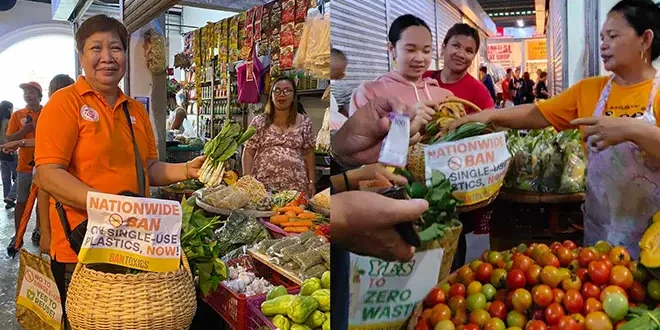
In observance of International Plastic Bag Free Day 2025, environmental justice group BAN Toxics renews its call to mains committed to eliminate plastic pollution in all forms. This annual global campaign, launched by Zero Waste Europe and other environmental groups, aims to raise awareness on the devastating impact of single-use plastic bags and promote sustainable, reusable alternatives.
In partnership with the Office of Calumpit Mayor Lem Faustino, Municipal Environment and Natural Resources Office, MDRRMO, Eco-Laya, FiliPhiNous, environmental science students of Bulacan State University, El Mercado de Calumpit Vendors Association and #MalinisNaIlog Movement, BAN Toxics led a public awareness drive at El Mercado de Calumpit Public Market in Bulacan to educate residents on the health and environmental risks of plastic wastes, promote eco-friendly alternatives and empower the community to embrace a toxics-free, waste-free lifestyle.
The group encourages consumers to choose biodegradable alternatives such as bayongs made from buri, pandan, water lily, abaca, rattan, and durable canvas or cotton bags. They also warned against “eco-bags” made from plastic-based materials like polypropylene, polyester and nylon which contribute to the plastic waste crisis.
The Provincial Government of Bulacan is reinforcing its commitment by implementing Provincial Ordinance No. 2012-09, which bans the use and sale of non-biodegradable plastic bags and Styrofoam across the province. The Implementing Rules and Regulations were signed by the Provincial Governor on December 12, 2012.
As of 2019, based on the National Solid Waste Management Commission, 489 cities and municipalities, approximately 30% of the country’s 1,634 local government units had adopted policies that regulate use of plastic bags.
Plastic bags remain the most visible and harmful contributor to global plastic pollution. Based on the 2019 study of Global Alliance for Incinerator Alternatives (GAIA), Philippine markets are awash with consumer products, most of which are packaged in single-use disposable plastics, ranging from sachets to shopping bags. Filipinos use nearly 60 billion sachets, 17.5 billion shopping bags and 16.5 billion labo bags per year.
Global plastic consumption is projected to reach 516 million tons this year, rising to 1.2 billion tons annually by 2060, according to the United Nations Environment Programme. Many plastics contain hazardous chemicals such as phthalates and bisphenols, posing serious threats to human health and ecosystems.
“The plastics crisis is urgent,” said Thony Dizon, Advocacy and Campaign Officer of BAN Toxics. “Toxic chemicals are released throughout the plastic lifecycle, and single-use bags are a major contributor. Today serves as a call for the government, industries, and the public to implement a nationwide ban on single-use plastics and shift to safer, sustainable alternatives.”
In response to the growing plastic crisis, the 2022 UN resolution established the Intergovernmental Negotiating Committee to develop a Global Plastics Treaty, a legally binding agreement to end plastic pollution.
BAN Toxics continues to actively engage in the negotiations, advocating for a strong treaty that prioritizes significant reductions in plastic production. The negotiations will resume during the second part of the 5th Session, scheduled for August 5–14, 2025, at the Palais des Nations in Geneva, Switzerland, following the previous session held in Busan, South Korea.
“As part of our Zero Waste campaign, we urge the governments, businesses, and communities to take bold steps to reduce plastic production, address toxic chemicals in plastic wastes, implement a nationwide ban on single-use plastics, and promote a culture of reuse and repair,” Dizon added.